

Public speaking is one of the most common fears people face. For many, just standing in front of a group triggers sweaty palms, a racing heart, or a mind that suddenly goes blank. This fear doesn’t just show up at big events—it can hold someone back in meetings, interviews, or even casual conversations where all eyes turn their way.
The challenge comes from how the mind interprets these situations. Instead of seeing an opportunity to share ideas, the brain signals danger, and the body responds with stress. It feels like standing under a spotlight with every mistake magnified, even when no one is judging as harshly as we think.
If you’re considering hypnotherapy for fear of public speaking, start with the moment you most want to handle differently. Saying your name in a meeting can feel completely different from answering questions after a talk. A hypnosis session might help you rehearse one scene. Actual speaking practice lets you test what happens in the room.
In the sections ahead, we’ll explore what causes the fear of public speaking, how hypnotherapy works, and the real changes people experience once this fear is lifted.
Why Does Public Speaking Anxiety Feel So Physical?
What Causes the Fear?
The fear of public speaking usually begins with the thought of being judged. Many people imagine the audience waiting to catch mistakes, which creates pressure before they even say a word. For some, this fear is rooted in past experiences—like freezing during a class presentation or being laughed at while speaking. Those memories stick and replay whenever a similar situation comes up.
Another driver is perfectionism. The idea that every word must be flawless makes speaking feel like a high-stakes performance rather than a conversation. Add social anxiety to the mix, and even small gatherings can trigger the same reaction as a room full of strangers.
How Fear Manifests in the Body and Mind
Fear doesn’t stay in the mind; it shows up in the body. Sweaty hands, a pounding heartbeat, shaky knees, and a dry mouth are common signs of the body’s fight or flight response. Some people feel short of breath or notice their voice trembling as if their body has betrayed them at the worst time. If your mouth goes dry, keep water nearby and build in a pause after the first point. If your mind goes blank, put three keywords on a card. A plan for one physical symptom can lower the pressure to look perfectly composed throughout the talk.
Mentally, the fear can cause blank moments where words vanish, leaving the speaker lost mid-sentence. Racing thoughts like “What if I mess up?” or “What if they laugh?” make it hard to focus. Self-doubt grows louder than the message being shared, which can make even simple speaking tasks feel overwhelming.
At the root, much of this comes from the subconscious mind. It stores old fears and magnifies them in the present, even when the situation isn’t truly dangerous. The brain treats speaking to a group like facing a threat, creating the same stress response as if real danger existed.
Moving Forward
By understanding why this fear develops and how it shows up, it becomes easier to see why strategies like hypnotherapy can help. Instead of fighting symptoms on the surface, it works directly with the subconscious—the part of the mind where these fears are planted and replayed. This is where real change begins.
How Hypnotherapy Uses Hypnosis
Clear Definition of Hypnotherapy
Hypnotherapy is a method that uses guided relaxation and focused attention to help the mind become more open to positive suggestions. In this state, often called a trance, you are fully aware but deeply relaxed—similar to being so absorbed in a movie or book that you lose track of time. Unlike stage hypnosis, which is entertainment, clinical hypnotherapy is a professional approach used to address specific challenges such as anxiety, habits, or fears.
How Hypnotherapy Works on the Subconscious
A fear response can feel automatic, but it gives you specific things to observe. What do you predict the audience will notice? Do you rush to the last slide to escape the attention? Identifying those responses makes it easier to choose a practice that addresses them.
During sessions, suggestions and visualizations are used to create new mental associations. Instead of imagining failure, the subconscious begins to picture success and safety. Over time, this shift changes how the body and mind react in real speaking situations.
With this foundation, it becomes clear why hypnotherapy is an effective tool for public speaking anxiety. It doesn’t just quiet nerves on the surface—it reshapes the automatic responses at their source. Next, let’s look at exactly how hypnotherapy helps people move past fear and step confidently into the spotlight.
What Is Glossophobia, and Can Hypnosis Help?
Glossophobia means fear of public speaking. It can show up when giving a presentation at work, giving a speech at a wedding, or speaking in front of a crowd. A hypnotic exercise may help a presenter practise a response to specific symptoms of public speaking anxiety, such as shaky hands or losing their place. A qualified therapist can assess whether fear is specific to talks or part of a broader social anxiety problem.
Can Hypnosis Help With Fear of Public Speaking?
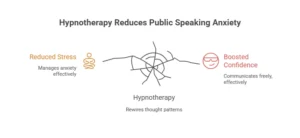 Public speaking fear isn’t just nerves—it’s the mind and body reacting as if danger is near. Hypnotherapy helps calm that reaction and replace it with a sense of control.
Rewiring Thought Patterns
Most fears start in the mind. Before stepping on stage, thoughts like “I’ll mess up” or “Everyone will judge me” play on repeat. These mental loops fuel anxiety. Hypnotherapy works by breaking those loops and building new ones. With positive suggestions, the subconscious begins to link speaking with calmness and clarity instead of panic. Over time, those old stories lose power, and speaking feels more natural. Test the thought in a low-stakes situation. If you predict people will think you are unprepared when you pause, record a short explanation with a natural pause and play it back later. Notice what a listener can actually hear rather than how long the silence felt while you were speaking.
Reducing Physical Stress Responses
Anxiety doesn’t stay locked in the brain—it shows up in the body. Shaky hands, dry mouth, or a trembling voice are all signs of the fight or flight response kicking in. Hypnotherapy helps reset this response. Sessions often include guided breathing and mental rehearsal, which train the body to stay steady even when the spotlight is on. The result is a calmer presence, a steadier voice, and a sense of control during real speaking situations.
Boosting Confidence and Self-Belief
Confidence comes from belief, and belief is shaped in the subconscious. Hypnotherapy plants supportive messages that reinforce self-worth and ability. For instance, picturing yourself speaking clearly and seeing an audience nod in agreement helps the mind accept that success as possible. When that belief takes root, standing in front of a group feels less like a threat and more like an opportunity to connect.
By shifting both thought patterns and body responses, hypnotherapy goes beyond short-term fixes. It changes how people experience speaking altogether, making it feel less like a battle and more like a natural part of communication.
What a Hypnotherapist May Do in a Session
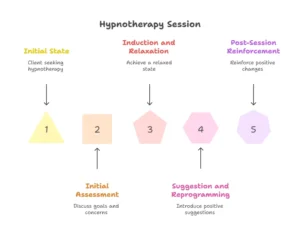 For many people, the idea of hypnotherapy feels unclear at first. Knowing what happens in a session takes away the mystery and makes the process easier to trust.
Initial Assessment
The first step is simply a conversation. The hypnotherapist will ask about your history with public speaking, the situations that trigger anxiety, and what you hope to achieve. This isn’t about judgment—it’s about understanding your unique experience so the session can target what you need most. It also helps to say whether you avoid speaking opportunities entirely or get through them while rushing, reading every word, or skipping questions.
Induction and Relaxation Phase
Next comes the relaxation stage. The hypnotherapist guides you into a calm, focused state that feels similar to meditation. Your body loosens, breathing slows, and outside distractions fade. You’re still fully aware and in control, but your attention turns inward, making it easier to focus on positive change.
Suggestion and Reprogramming
Once relaxed, your subconscious becomes more open to suggestion. The hypnotherapist introduces calming thoughts and helpful visualizations, such as picturing yourself speaking confidently and receiving positive reactions. These new images begin to replace the old, fear-driven ones, creating a healthier and calmer mental response.
Post-Session Reinforcement
The work continues even after the session ends. Many hypnotherapists provide tools like self-hypnosis, breathing practices, or short mental rehearsals you can use on your own. These reinforcements strengthen the progress made in the session and help the changes last over time.
By understanding each step, hypnotherapy feels less like an unknown and more like a structured process you can trust. With the process clear, it’s easier to see how the benefits show up both immediately and in the long run.
Can Hypnotherapy Help You Overcome Public Speaking Anxiety?
Deep relaxation or hypnosis can help some people rehearse speaking, but a felt sense of calm is only one outcome. If you want to overcome your fear of public speaking, practise a real behaviour, such as slowing down before the last point. That can help build confidence for other presentations or speeches. When the fear is persistent, discuss evidence-based psychotherapy and practical help with public speaking.
Anxiety Goals for a Public Speaker
A meta-analysis of 30 randomized trials found psychological interventions helped reduce fear of public speaking. It looked across intervention types, including technology-assisted approaches, so its overall result does not tell you how well hypnosis alone works. A provider can help you decide whether to start with gradual exposure, cognitive behavioral therapy, or another approach.
Short-Term Benefits
- Nerves feel lighter leading up to a speech or presentation.
- Physical symptoms like tight chest or shaky hands become easier to manage.
- Focus improves, allowing thoughts to flow more clearly.
- Small wins, such as speaking up in a meeting, start building momentum and confidence.
Long-Term Benefits
- The fear of judgment gradually fades.
- Speaking in front of others begins to feel more natural and less threatening.
- Leadership presence and communication skills strengthen over time.
- Confidence gained in speaking often spreads into other areas of life.
Measure progress in the situation you want to change. Try counting whether you contributed one point in a meeting or stayed to answer a question afterward. A little anxiety can be present even on a day when you do something you used to avoid.
Practise Becoming a More Confident Public Speaker
Start by explaining an idea to a small group of friends. Next, practise speaking in front of an audience in a Zoom call or a small meeting. To build confidence, compare the result with what you expected. If you aim to overcome public speaking anxiety, measuring whether you spoke and finished your point can help you notice changes before you speak with ease.
Complementary Strategies Alongside Hypnotherapy
Hypnotherapy works deeply on the subconscious, but pairing it with practical strategies makes progress faster and longer-lasting. These approaches support the mind and body while building confidence step by step.
Practice and Gradual Exposure
Confidence grows with repetition. Start small—like speaking in front of a friend or a mirror—then build up to larger groups. Each step helps rewire the brain to see speaking as less threatening. Build a short practice sequence: give a one-minute explanation to a friend, make the same point in a small online meeting, then volunteer for a brief update in a group you know. Repeat the step that challenges you before making it harder. Give yourself enough time afterward to compare what you predicted with what happened.
Mindfulness and Breathing Techniques
Simple breathing exercises calm the body when nerves rise. Staying present helps quiet racing thoughts and keeps attention on the message rather than imagined mistakes.
Visualization and Mental Rehearsal
Picture yourself speaking with ease, making eye contact, and receiving positive feedback. When the subconscious sees this outcome often, the real experience begins to feel less intimidating. Rehearse the recovery as well as the successful opening. If you skip a line, picture yourself glancing at your notes, finding the next idea, and continuing. In a real talk, people often follow the point you do make. They don’t have your script in front of them and may not know anything was left out.
Work with a Coach or Support Group
Practicing in a safe space with supportive feedback accelerates growth. Encouragement and constructive tips build both skill and confidence.
Healthy Lifestyle Habits
Regular exercise, good sleep, and balanced routines lower overall stress. A healthier body is more resilient and better equipped to handle speaking situations calmly.
Together, these strategies complement hypnotherapy by reinforcing confidence in daily life. They create both immediate relief and long-term strength, making speaking feel more natural and less overwhelming.
Is Hypnotherapy Right for You?
If fear of public speaking is holding you back in daily life, hypnotherapy may be the right approach. Struggling to share ideas in meetings, hesitating to present at work, or feeling silenced in social settings are signs that the deeper roots of anxiety need attention. If your fear also affects job interviews, social situations, or daily conversations, tell the person you consult. That can help them assess whether the problem is limited to public speaking anxiety or whether a broader treatment plan would be more helpful.
For many people, this fear comes from past experiences—moments of embarrassment, criticism, or failure that left a lasting impression. Hypnotherapy works by reframing those memories, helping the mind release the old fear and respond with calmness and control instead.
It’s also worth considering hypnotherapy if you’ve tried other methods without success. Practicing, memorizing scripts, or rehearsing in front of a mirror may help temporarily, but if the anxiety feels automatic and overwhelming, the subconscious has to be addressed. That’s where hypnotherapy creates real change.
Most importantly, hypnotherapy is for those seeking a long-term solution. It doesn’t mask the symptoms—it reshapes the mental patterns that trigger them. With consistency and an open mind, many people find the transformation both lasting and life-changing.
Conclusion
Fear of public speaking doesn’t have to be a life sentence. What feels like a wall today can become a doorway tomorrow when the subconscious is given a chance to change. Hypnotherapy offers that pathway—quieting old fears, building new beliefs, and giving you the freedom to speak with clarity and confidence.
The moment you stop battling anxiety and start trusting your voice, opportunities open up. Careers grow, conversations flow more easily, and connections feel more genuine. Public speaking becomes less about fear and more about sharing ideas that matter.
Overcoming this challenge isn’t about becoming someone else—it’s about finally letting your true voice be heard.
