

Stress has become part of daily life for most people—work pressure, family demands, and constant noise from screens all pile up. Everyone’s looking for a way to feel calmer and more in control.
Some turn to exercise or meditation. Others try deep breathing or therapy. But there’s one tool many people still overlook: hypnotherapy.
Hypnotherapy for stress relief uses focused attention and suggestions to help you practice a different response to a stressful moment. The evidence varies by setting. A useful first step is choosing one moment you can repeat, such as arriving home after a difficult commute, and deciding what you want to do before the evening starts.
In this guide, we’ll break down how hypnotherapy works, why it helps, and simple ways to make it part of your routine—even if you’ve never tried anything like it before.
What Is Hypnotherapy and How Does Hypnosis Work?
Hypnotherapy is a type of guided relaxation that helps you access a deeply focused and calm state of mind like the moment right before you fall asleep. In this state, your mind is more open to positive suggestions, which makes it easier to shift thoughts, feelings, or habits that feel stuck.
You stay aware and in control the whole time. It’s not like stage hypnosis, and no one can make you do anything you don’t want to. A hypnotherapist simply guides you to relax and focus inward, helping your mind work with you instead of against you.
Think of it like updating the software in your brain. Instead of just talking about your stress or bad habits, hypnotherapy works under the surface, where many of those patterns actually begin.
It’s used for more than just stress. People also turn to it for sleep issues, fears, low confidence, or even breaking habits like smoking or emotional eating. But for stress relief, its ability to calm the mind and reset old thought loops is what makes it so helpful.
Why Hypnosis for Stress Uses Focused Attention
Stress hijacks your system. It keeps your body in survival mode—tense muscles, shallow breathing, racing thoughts. Over time, this constant pressure wears you down, leaving you tired, anxious, and stuck in a loop. An analysis of hypnosis in invasive medical procedures examined anxiety, pain, and physiological stress during procedures. That is a specific setting with short-term outcomes. It isn’t a direct test of whether a recording will reduce work stress over several months. It can help you ask more precise questions, such as whether a short guided exercise helps you get through one identifiable event.
That’s where hypnotherapy comes in. It works because it goes deeper than willpower or surface-level coping tools. While most stress relief methods deal with symptoms, hypnotherapy targets the automatic patterns behind them.
When you’re in a relaxed, focused state, your brain is more open to change. Hypnotherapy uses this moment to interrupt old reactions—like overthinking, panic, or emotional shutdown—and replace them with calmer, more useful responses. It helps your brain learn a new way to handle pressure.
This isn’t just about relaxation. It’s about resetting how your mind reacts to stress, so it doesn’t take over your day. That’s why people who’ve tried everything—from deep breathing to distraction—often find hypnotherapy finally helps things click.
How Can Guided Hypnosis Help You Manage Stress and Anxiety?
Clinical hypnosis may combine a relaxation technique with suggestions for responding to a specific stressor. Deep relaxation may feel helpful, but it isn’t required for an exercise to be useful. For example, a hypnotherapy session might help you rehearse setting a limit with a colleague. To reduce anxiety in the actual meeting, choose one sentence and practise it in advance.
Can Hypnosis Support Anxiety Relief and Relaxation?
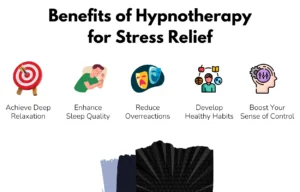 Stress doesn’t just drain your energy—it changes how you think, act, and feel. Hypnotherapy helps undo that damage by calming your system and rewiring your response to pressure. Here’s what that looks like in real life: Stress can point to something that needs to change outside the session. If you’re being asked to cover more work than you can do, relaxation may help you gather your thoughts before a conversation. It won’t give you more hours. Use the calmer moment to decide what to bring to the person who can adjust the workload.
- 1. Your Body Finally Calms DownStress keeps your body on high alert. Hypnotherapy helps switch off that alarm. It slows your breathing, relaxes tense muscles, and lowers your heart rate, giving your body a break it often doesn’t get.
- 2. You Sleep Better Without Forcing ItMany people can’t sleep because their minds won’t shut off. Hypnotherapy quiets that mental noise, making it easier to fall and stay asleep. Sleep responses vary. If sleep problems continue, a healthcare professional can help you decide what to try next.
- 3. You Stop Overreacting to Small ThingsWhen you’re stressed, even small problems feel big. Hypnotherapy helps your brain pause before reacting, so you’re less likely to snap, shut down, or spiral. That pause creates space for a more balanced response.
- 4. You Build Better Habits Without Fighting YourselfStress often leads to emotional eating, procrastination, or mindless scrolling. Hypnotherapy helps break those patterns by working with your subconscious, not against it. Change feels more natural, not like a constant battle.
- 5. You Feel More in ControlOne of the hardest parts of stress is feeling powerless. Hypnotherapy gives you tools to respond, not just react. Over time, you feel calmer, more focused, and more capable, even when life is messy.
Can Hypnosis Help Reduce Stress Without Deep Relaxation?
People can respond to hypnosis recordings without a dramatic change in their state of relaxation. To ease stress, try an exercise that helps you pause before a reaction and choose what comes next. If anxiety and panic persist, ask a mental health professional whether an approach such as cognitive behavioral therapy belongs in your plan.
Different Ways to Add Hypnotherapy to Your Routine
You don’t need to change your entire lifestyle to use hypnotherapy. Whether you want expert help or prefer doing it solo, there’s a method that fits your schedule and comfort level. Try this on a day when you can sit somewhere quiet for a few minutes. Listen to a short recording once, then give yourself a minute before switching to another task. Notice one thing you can describe, such as whether you stopped rereading a difficult message or were able to sit down to eat. Choose a different exercise if the imagery makes you feel more tense.
- 1. Work With a Certified HypnotherapistIf you want a more guided approach, book a session with a professional. They’ll help you relax, talk through what’s bothering you, and guide your mind into a calmer state. This is ideal if your stress feels too big to manage on your own.Bonus: You’ll get personal support, real-time feedback, and a plan built around your specific needs.
- 2. Practice Self-HypnosisSelf-hypnosis lets you guide yourself into a calm, focused state. It’s free, simple, and can be done in just a few quiet minutes. Start by focusing on your breath, closing your eyes, and repeating a calming phrase or visualizing a peaceful place.Best time to try: Right before bed or after waking up, when your mind is already quiet.
- 3. Use Hypnosis Apps or Audio RecordingsIf you want an easy entry point, apps and guided audios work well. Just press play, close your eyes, and listen. These tools do the guiding for you, so you can relax without thinking about what to do next.Tip: Stick with one session for at least a week before switching. Repetition helps your brain create lasting change.
Try a Short Hypnosis Recording for Stress Management
A hypnosis recording or guided meditation may be part of a complementary approach to stress relief. Choose a place where you don’t need to pay attention to traffic, and see whether the hypnotic suggestions feel comfortable. If worries delay sleep, a sleep hypnosis exercise might be something to discuss alongside a plan for sleep care. If you’re looking for a hypnotist, ask what clinical training they have and what support they can offer for persistent stress.
Who Should Consider Hypnotherapy?
Hypnotherapy isn’t just for people with deep trauma or big problems. It’s for anyone who feels overwhelmed, tense, or stuck in patterns that aren’t helping.
It works well for people who:
- Feel stressed most of the time and can’t relax, even when they try
- Struggle with sleep, overthinking, or emotional habits like stress eating
- React too quickly to small problems and want more control over their mood
- Have tried meditation or therapy but want something that goes deeper, faster
- Prefer quiet, guided methods over talking or journaling
If you’re open to trying something new and want real change without digging through every memory or emotion, hypnotherapy can help.
A Note of Caution
Hypnotherapy is generally safe, but it’s not for everyone. If you have a history of psychosis, dissociation, or serious mental health conditions, talk to a licensed therapist or doctor first. It’s always better to work with a professional who understands your full background. Bring persistent anxiety, panic, or sleep problems to a healthcare professional, particularly if they’re affecting work or home life. Explain whether focusing on your breath or closing your eyes feels uncomfortable. A practitioner can adapt the exercise and help you decide whether another form of support would fit better.
How to Get Started Without Overthinking It
You don’t need a perfect plan to begin. The easiest way to start is to just try one small thing and see how it feels. Stress relief isn’t about doing everything at once—it’s about finding something that works and sticking with it.
Start Simple
Pick one approach:
- A short hypnosis audio before bed
- A self-hypnosis session during a break
- One appointment with a certified hypnotherapist
You’re not trying to fix everything overnight—just build a habit that helps you reset.
Track How You Feel
Pay attention to small changes. Do you feel a little more relaxed after a session? Are you sleeping better? Noticing those wins keeps you going. For a week, jot down the time, what was happening beforehand, and one thing you did next. A quick note like “five minutes after work, then put my phone down for dinner” is enough. Compare similar days because a quiet Friday and an overloaded Monday may feel different regardless of the practice.
Stack It With What You Already Do
Hypnotherapy works well with other habits. Try it after a workout, before journaling, or right after meditating. It doesn’t need its own time slot—just a quiet space and a few minutes.
Start light, stay curious, and don’t judge the process. The goal isn’t perfection. It’s progress that actually sticks.
Conclusion
Stress isn’t always avoidable, but it is manageable, especially when you have the right tools. Hypnotherapy helps you shift from reacting to stress to responding with clarity and calm. And the best part? You don’t need to wait for a breakdown to get started. Small, consistent sessions can help you feel more in control, sleep better, and handle pressure without it taking over your life.
If you’re ready to try it with guidance from someone who understands both the science and the personal side of stress, working with a certified hypnotherapist can make all the difference.
If you’re in Edmonton, Alberta, and want someone experienced, supportive, and results-focused, Anali Nicolle Hypnotherapy offers a calm, judgment-free space to help you get started. Whether you’re new to hypnotherapy or looking to go deeper, her sessions are a great place to begin.
Start with one session, stay consistent, and give yourself permission to feel better without the stress of figuring it out alone.
