

Confidence isn’t something women are born with—it’s something built, shaped, and strengthened over time. Yet for many, confidence feels fragile, buried under years of self-doubt, comparison, and pressure to meet others’ expectations. From childhood conditioning to societal standards, women often carry unspoken beliefs about their worth and potential that quietly influence their choices and self-image.
If you’re curious about hypnotherapy for women’s confidence, think of it as a way to rehearse a response you’d like to use. You might practice finishing a sentence when someone interrupts you or asking for a few days before you commit to something. The aim can be a change in what you do, even before you feel completely at ease doing it.
More women are turning to hypnotherapy to rebuild self-trust, overcome fears, and strengthen their inner voice. It’s not about changing who you are—it’s about reconnecting with the confidence and potential that have always been there.
In the following sections, you’ll explore how hypnotherapy helps women break free from old patterns, build genuine confidence, and grow into their fullest selves.
What Causes Low Confidence and Self-Doubt?
Confidence shapes how women think, speak, and act—but it often starts forming long before adulthood. From early childhood, many girls absorb unspoken messages about what’s acceptable, what’s too ambitious, or how they “should” behave. These subtle cues—whether from family, teachers, or media—can plant beliefs that linger quietly for years. Over time, they shape self-perception and limit how boldly a woman steps into new opportunities.
The Role of Early Conditioning and Social Expectations
Many women grow up learning to prioritize others’ opinions or avoid appearing “too confident.” While society often celebrates kindness and cooperation, it can also discourage assertiveness. That conditioning can lead to hesitation, overthinking, or the habit of downplaying achievements. These patterns rarely stem from a lack of skill—they often result from subconscious lessons repeated until they feel ingrained. Context matters. If people repeatedly talk over you or penalize you for setting boundaries, practice may help you decide how to respond, but it won’t change another person’s conduct. In a workplace, it can help to ask a colleague to return the conversation to your point or make sure everyone has time to finish speaking.
Emotional and Psychological Barriers
Even the most capable women experience moments of self-doubt. Fear of judgment, perfectionism, or feeling like an impostor can quietly erode confidence. These emotions are not signs of weakness; they’re automatic responses the mind builds for protection. The problem is that these protective thoughts—like “I might fail” or “I’m not ready”—can replay on loop beneath awareness, shaping behavior before logic has a chance to step in.
Hypnotherapy helps identify and shift those deep-seated patterns. Working directly with the subconscious allows women to replace old scripts with new, empowering beliefs. The result isn’t forced confidence—it’s a steady, natural sense of self-assurance that supports growth in every area of life.
How Hypnosis and Hypnotherapy Work
Hypnotherapy is a guided process that helps quiet the conscious mind and reach the deeper part of the mind—the subconscious—where habits, emotions, and beliefs live. Instead of forcing change through willpower, it helps people access the mental space where real transformation happens.
How Hypnotherapy Works
During a session, the hypnotherapist guides the client into a calm, focused state—similar to deep relaxation or meditation. In this state, the mind becomes more open to positive suggestions and self-reflection. You’re fully aware, just more relaxed and focused, allowing you to process ideas without the usual mental noise or resistance.
The goal isn’t to “control” the mind—it’s to help it listen differently. By accessing the subconscious, hypnotherapy helps replace limiting beliefs with new, empowering ones. This process gradually reshapes thought patterns, emotional responses, and even habits tied to self-worth and confidence.
Research on hypnosis is stronger for certain clinical settings than for a broad outcome like self-esteem. One overview of meta-analyses identified 79 distinct primary studies for medical procedures, an area where it found some of the most robust evidence. Those studies can’t tell us how much confidence a woman will gain from a hypnosis session or how long any change will last.
The Connection Between the Subconscious and Confidence
Most confidence issues don’t come from lack of ability—they come from automatic beliefs formed long ago. The subconscious mind stores those memories and interpretations, creating filters that influence how someone sees themselves. For example, a childhood memory of being criticized can lead to a lifelong fear of speaking up, even if, consciously, the person knows they’re capable.
Hypnotherapy works by gently updating those subconscious “files.” It helps rewrite old associations—turning fear into calm, and self-doubt into assurance. Over time, this shift creates more natural confidence, not forced positivity.
As you move forward, you’ll see exactly how hypnotherapy supports women in strengthening self-esteem, letting go of negative patterns, and developing lasting self-trust.
Can Hypnosis for Confidence Boost Your Self-Esteem?
Building confidence and strengthening self-esteem can be different goals. If you feel lack of confidence before meetings, rehearse one thing you want to say. If you tend to see a mistake as proof of low self-worth, practise how to reframe it in ordinary words. What people call imposter syndrome can also reflect a setting where expectations are unclear or feedback is lacking.
How to Practice Skills That Can Boost Confidence
Confidence isn’t built overnight—it grows as old fears lose power and new beliefs take root. Hypnotherapy supports this process by helping women uncover and release what’s been quietly holding them back. It doesn’t force confidence; it creates the mental space for it to grow naturally.
Releasing Self-Doubt and Negative Self-Talk
Many women carry a silent critic in their mind—an inner voice that questions, compares, and second-guesses. Hypnotherapy helps turn down that voice by identifying where it began and replacing it with a more supportive one. Through guided suggestions and subconscious reframing, clients learn to challenge self-doubt and recognize their strengths instead of their flaws. This shift allows confidence to feel real, not rehearsed. Try using words that sound believable on a difficult day. If “I always speak with confidence” makes you roll your eyes, try “I can make one point while I still feel nervous.” You can then rehearse making that point. A specific action gives you something to practice rather than another standard you feel pressured to meet.
Building a Positive Self-Image
A woman’s self-image shapes how she shows up in daily life. Hypnotherapy uses visualization and affirmations to help the mind see a new version of self—capable, calm, and confident. The subconscious responds strongly to mental imagery, so regularly “seeing” oneself succeeding helps make that identity feel normal. Over time, this mental rehearsal turns into genuine self-belief, influencing behavior and choices naturally. Instead of trying to feel good about every part of yourself, think about one moment when you want to be less harsh. After a work mistake, for instance, write down what happened in the same neutral words you would use describing a colleague’s mistake. Then decide what can be fixed and what can simply be left behind.
Reducing Anxiety and Fear of Failure
Fear often hides behind hesitation. Many women know what they want but hold back because of anxiety or the possibility of failure. Hypnotherapy helps calm these emotional triggers by addressing them at their root. It trains the mind to respond with composure rather than panic. This creates space for clearer thinking, better decision-making, and more confidence in taking action—whether that’s speaking up in meetings, trying something new, or stepping into leadership.
Strengthening Assertiveness and Boundaries
Confidence also means knowing when to say “no” and standing firm in personal boundaries. Hypnotherapy supports this by reinforcing self-worth and helping women trust their instincts. Through focused sessions, women learn to communicate their needs clearly and stop seeking approval. That inner strength builds lasting confidence, not one that depends on external validation. Suppose a relative asks you to take on another task when your week is full. You could say, “I can’t do Thursday. I can help for an hour on Saturday.” Practice leaving a short pause after you say it. If the person pushes back, repeat the limit without bringing in a long explanation you didn’t want to give.
Hypnotherapy helps women shift from overthinking and self-doubt to calm self-assurance. These changes go beyond confidence—fueling personal growth, resilience, and long-term fulfillment.
Hypnotic Suggestions for Building Confidence and Self-Esteem
Clinical hypnotherapy may use hypnotic suggestions to support a goal you can practise. If you want to boost your confidence when giving feedback, try a script that fits your voice. If persistent stress and anxiety affect your self-esteem and confidence, ask about other support too. Using self-hypnosis can be one part of your practice.
Self-Esteem, Self-Worth, and Personal Growth
Confidence is often the first visible change women experience with hypnotherapy, but the deeper impact goes much further. By releasing emotional blocks and building self-awareness, hypnotherapy supports continuous personal growth. It helps women reconnect with their goals, heal from past experiences, and approach life with balance and clarity.
Overcoming Past Emotional Blocks
Many personal limits come from unprocessed emotions—old memories that quietly shape reactions and choices. Hypnotherapy helps surface and release those feelings in a safe, controlled way. By addressing them directly in the subconscious, women can let go of guilt, resentment, or fear that has held them back for years. This emotional release creates mental clarity and a renewed sense of peace, making space for new growth.
Strengthening Motivation and Alignment
Sometimes confidence isn’t the issue—motivation is. Women often know what they want but feel disconnected from the energy to pursue it. Hypnotherapy bridges that gap by helping align conscious goals with subconscious drive. It reinforces focus, discipline, and a sense of purpose, whether the goal is career advancement, starting a business, or improving personal well-being. When the mind and emotions move in the same direction, progress feels natural and consistent.
Cultivating Self-Compassion and Resilience
True growth requires kindness toward oneself. Hypnotherapy encourages women to replace self-criticism with understanding and patience. This mindset builds resilience—the ability to recover from setbacks without losing confidence. Through guided suggestions and affirmations, women begin to internalize a gentler, more balanced way of relating to themselves. This self-compassion doesn’t weaken motivation—it strengthens it by removing the fear of failure.
Personal growth through hypnotherapy isn’t about becoming someone new—it’s about removing what was never truly yours: fear, guilt, and limitation.
Techniques to Boost Confidence Between Hypnotherapy Sessions
Self-hypnosis or hypnosis audio sessions can help you rehearse a specific response you have agreed on. For example, to build self-confidence in a conversation, picture asking a question and waiting for a reply. Check how the practice transfers to a real conversation. A clinical hypnotherapist or licensed therapist can help you set a goal and discuss gaps in the evidence on the efficacy of hypnotherapy for confidence.
What to Expect From a Hypnotherapist
Starting hypnotherapy can feel uncertain at first, especially if someone imagines it as something dramatic or mysterious. In reality, a session feels calm, structured, and surprisingly familiar. It’s a process built on relaxation, trust, and focused attention—nothing more, nothing less.
The Process Step-by-Step
A typical session begins with a short conversation where the hypnotherapist learns about your goals and current challenges. This helps set clear intentions for the session. Once that’s established, you’re guided into a relaxed state using breathing and visualization techniques. This relaxed awareness—sometimes called a trance state—feels similar to daydreaming or being deeply absorbed in thought.
During a hypnosis session, a practitioner might ask you to imagine a familiar situation while giving suggestions you’ve agreed on. Tell them whether you prefer to keep your eyes open or skip imagery. You can ask a hypnotherapist to change the wording if it feels awkward, unrealistic, or out of step with your goals.
Safety, Comfort, and Professional Practice
Contrary to myths, hypnosis doesn’t take away control—it gives you more of it. You stay conscious, aware, and capable of speaking or moving at any time. A certified hypnotherapist simply acts as a guide, helping you access the part of your mind that’s ready to change.
Professional hypnotherapists create a space of safety and respect. Every session moves at your pace, ensuring you feel comfortable before going deeper. Many women describe the experience as empowering rather than intimidating—a chance to reset without pressure or judgment.
Practical Tips for Women Considering Hypnotherapy
If you’re thinking about trying hypnotherapy, a few simple tips can help you get the most out of your sessions and continue growing between them.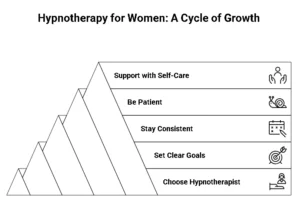
-
1. Choose a Certified Hypnotherapist
Look for a professional with proper training and credentials. A qualified hypnotherapist will take time to understand your goals and explain the process clearly. This builds trust and ensures each session is safe, effective, and focused on your needs.
- Ask what training the practitioner has and what they will do if your main difficulty turns out to involve anxiety, depression, or trauma. A provider’s title can mean different things in different places. You can also ask whether you can talk through an exercise before agreeing to try it.
2. Set Clear, Realistic Goals
Confidence and personal growth take time. Before starting, think about what you want to achieve—whether it’s reducing anxiety, improving self-esteem, or breaking a habit. Clear goals help guide the sessions and make progress easier to measure.
- Choose one marker that is about your own behavior. You could keep a simple note each time you ask a clarifying question instead of pretending to understand. After two weeks, look at the circumstances when it felt possible. That can help you decide where to practice next and when you’d benefit from support.
3. Stay Consistent Between Sessions
The mind learns through repetition. Reinforce what you experience in sessions with daily affirmations, journaling, or mindfulness exercises. Even small practices help strengthen new patterns and make them stick.
-
4. Be Patient with the Process
Real change happens gradually. Some shifts feel immediate, while others unfold over time. Stay open and allow your mind to adjust naturally rather than expecting instant transformation.
-
5. Support Your Growth with Self-Care
Confidence grows faster when your body and mind feel balanced. Rest well, eat healthy, and spend time in calm environments. Combine hypnotherapy with healthy routines to maintain energy, focus, and emotional balance.
These simple practices help women maintain progress beyond the session, turning hypnotherapy into a steady path of confidence and self-growth.
Conclusion
Confidence isn’t something you have to chase—it’s something you uncover once you clear away self-doubt and limiting beliefs. Hypnotherapy helps women do exactly that by working where real change begins: the subconscious mind. Through calm, guided focus, it helps release fear, rebuild self-trust, and create a mindset grounded in confidence and growth.
Women who practice hypnotherapy often describe a quiet but powerful shift. They start speaking up more, setting boundaries, and believing in their abilities without overthinking every step. The change feels natural because it comes from within, not from trying to “act confident.”
True personal growth happens when confidence and self-awareness move together. Hypnotherapy supports both—helping women reconnect with their inner strength, move past old emotional barriers, and live with clarity and purpose.
The journey isn’t about becoming someone new; it’s about remembering who you already are—capable, confident, and ready to grow.
